
How Will I Face People? Young Men, Confidence and Hope in Chitral
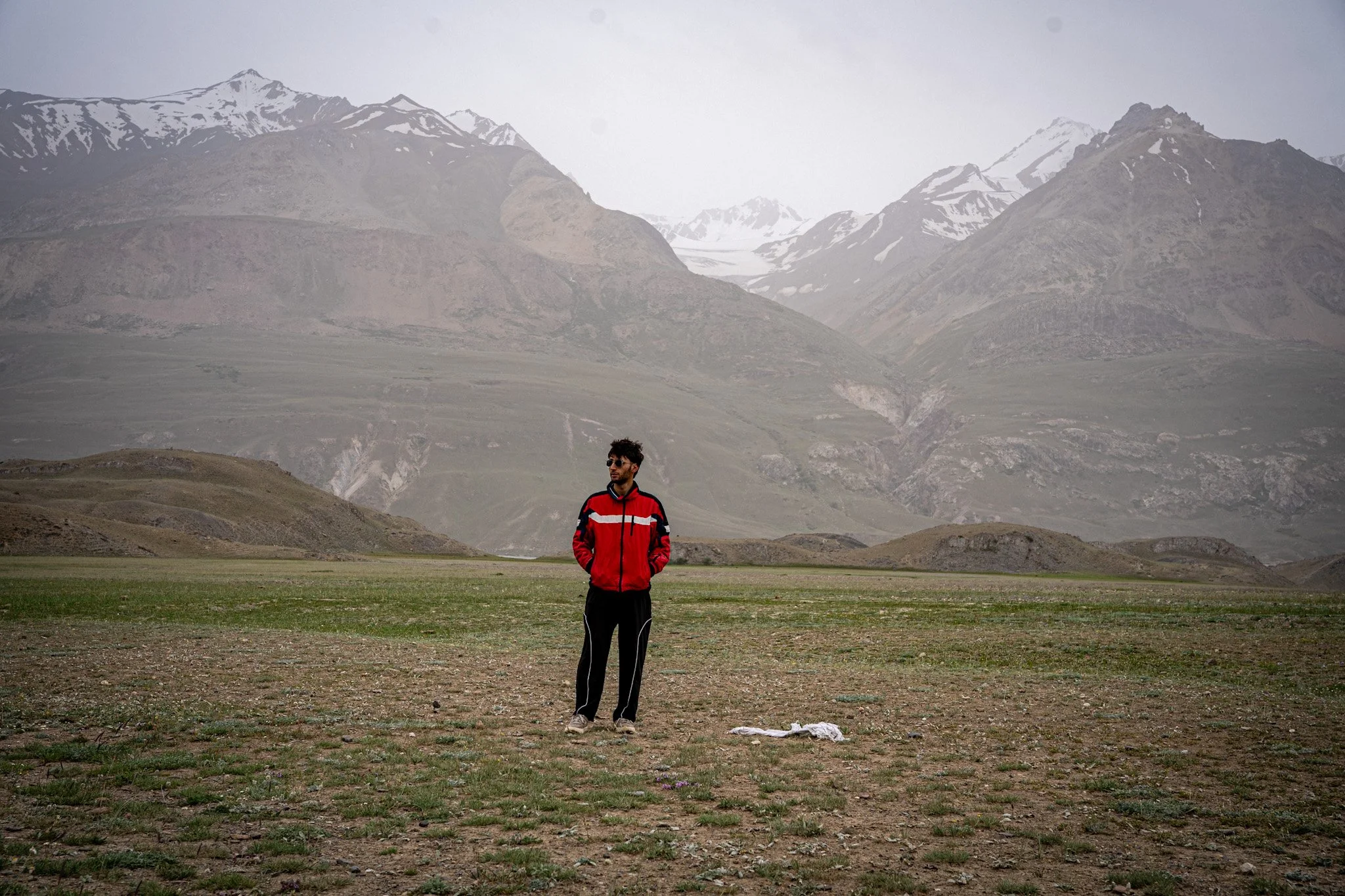
This article is about the young men of Chitral and the challenges they face while living in a remote mountain region in north-west Pakistan. I want to discuss some of their main struggles, but also their strengths and potential. I will then suggest practical ways in which families, communities and organisations can help create positive change.
The Challenges Facing Young Men
Young people in Chitral face many challenges. These include a lack of employment opportunities, limited access to higher education and skills training, mental health difficulties such as anxiety and depression, drug use, social pressure, family expectations, poor infrastructure and the remoteness of the region. Tribalism and class-based attitudes towards certain kinds of work can also prevent young people from moving forward.
Many young people in Chitral are unhappy and lack confidence. One reason is that many parents do not know how to encourage their children or help them build self-confidence. This is not only about finances. Some parents may provide food, education and shelter, but they do not always know how to emotionally prepare their children for the future.
This can place a heavy burden on young people and affect their confidence, motivation and mental well-being.
There is also jealousy and competition among some young people in the valley. When people are unable to find opportunities for themselves, they may discourage others or create problems for those who are trying to move forward. However, I believe that everyone has the ability to do something. Every person has a talent or skill, but they may need direction, encouragement and mentorship.
In Chitral, the institutions and platforms that could help young people discover and develop their talents are often unavailable. As a result, many young people are unable to move forward or do something meaningful with their potential.
There can also be constant pressure and negativity from the wider community and neighbourhood. This can affect a person’s mental health and make it difficult to remain confident and motivated. Some young people begin to feel that they are useless in front of others. They feel weak or inferior and begin asking themselves: How will I face people? What will they think of me?
These thoughts can stop a person from taking even the first step.
Drug Use and a Lack of Purpose
Another serious challenge is drug use among young people. Many young men remain at home without employment, activities or clear goals. Some spend long periods sitting in groups and may begin using drugs as a way to relax, escape their problems or occupy their time.
Drug use can make a person physically and mentally weaker. It can increase negative thinking and reduce a person’s ability to think clearly, work creatively and develop positive ideas. Over time, it can also affect a person’s natural sense of happiness and motivation.
However, we should not only blame young people. We must also ask why they feel the need to escape from their lives. Unemployment, loneliness, family pressure, hopelessness and the absence of safe recreational spaces can all contribute to this problem.
Practical Solutions
Young people need access to extracurricular activities, including sports, creative arts and practical skills training. Training could include information technology, woodworking, electrical work, plumbing, construction and other skills connected to real employment opportunities.
These programmes should be developed in consultation with local communities, including young people themselves, parents, teachers, mosque leaders, craftspeople, businesses and local organisations.
Other countries have experimented with community-based approaches that combine sport, family involvement, education and meaningful activities for young people. However, Chitral needs its own model—one that understands the political, social, economic, class-based and environmental realities of the valley.
This approach connects with Sustainable Development Goal 4, Quality Education, and Sustainable Development Goal 8, Decent Work and Economic Growth.
There is also a lack of safe spaces where young men can express their emotions without being mocked or judged. An organisation or community initiative could create small groups where young people meet regularly, support one another and have positive and meaningful conversations.
These groups should be guided by trained mentors and qualified mental health professionals. They could help young people speak about anxiety, depression, loneliness, family pressure, addiction and uncertainty about the future. This connects with Sustainable Development Goal 3, Good Health and Well-being.
Mentorship is also very important. Sometimes a young person does not need a large amount of money. They need one person who believes in them, listens to them and shows them a direction.
Conclusion
In this article, I have tried to describe some of the major issues facing young men in Chitral. These problems are serious. If we do not address them, we risk losing a generation of young people to unemployment, addiction, depression and hopelessness. This will not only affect the young men themselves. Parents, elders, families and the wider community will also suffer.
As a Chitrali who has experienced depression, anxiety and loneliness, I understand how these feelings can affect everyday life. At times, you feel stuck and unable to move forward. You feel as though everybody else is progressing while you remain in the same place.
I was able to fight through some of these feelings by continuing to believe in myself. I used to speak to myself and remind myself: I will not give up. I will make something out of myself.
The struggle does not disappear in one day. Confidence also does not arrive suddenly. It grows slowly, through small steps, encouragement and having a sense of purpose.
Writing this article is one of those steps for me. It is a testament to the fact that a person can fight, grow and transform themselves.
Young men in Chitral do not lack ability. They need opportunities, direction, trust and somebody willing to listen.